Black aesthetics have become a major source of global cultural influence, creative inspiration, and commercial value. Nowhere is this more apparent than the global rise of streetwear fashion, heavily shaped by the legacy of Virgil Abloh and Black hip-hop aesthetics.
Now, the end point of luxury streetwear seems to be…AI companies? In cruel irony, the leaders of a technology that has been shown to be biased towards minorities are using the codes of streetwear to boost their share price.
As the visual markers of Blackness are increasingly celebrated, commercialised and borrowed, a more difficult question emerges: who gets to define Blackness, and who actually benefits from its cultural value?
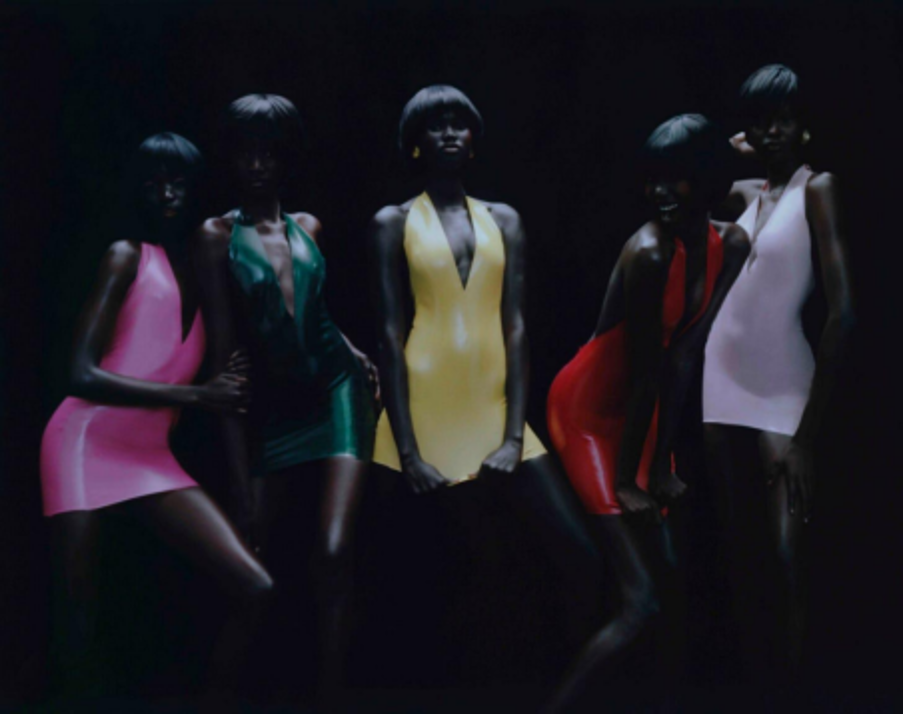
What does it mean to ‘look’ Black in contemporary culture?
There is often a tension between Blackness as an identity you live and Blackness as an identity that is read, performed and consumed through appearance.
Across fashion, beauty and on social media, visual signifiers associated with Black culture circulate as markers of style, desirability and cultural relevance. These signifiers also appear when celebrities are rebranding, in influencer content, advertising campaigns and across luxury fashion collections, often removed from the histories and lived experiences that inform them. For example, Australian-founded streetwear brand Mertra, recently came under fire for engaging in the commodification of aesthetic blackness. Using the codes of streetwear fashion to sell ‘blackness’ to its majority non-black fan base and get rich in the process.
Yet the negative experiences associated with being Black, including racial discrimination, stereotyping and oppression, have not disappeared alongside this growing aesthetic visibility.
The distinction between looking Black and being Black is therefore more than a question of appearance; it is an interplay of how racial identity is interpreted, how cultural value is produced, and who has the power to define the meaning of Blackness.
To understand this tension, it is necessary to examine how the appearance of Blackness has acquired its social meaning, and what happens when that appearance becomes a commodity.
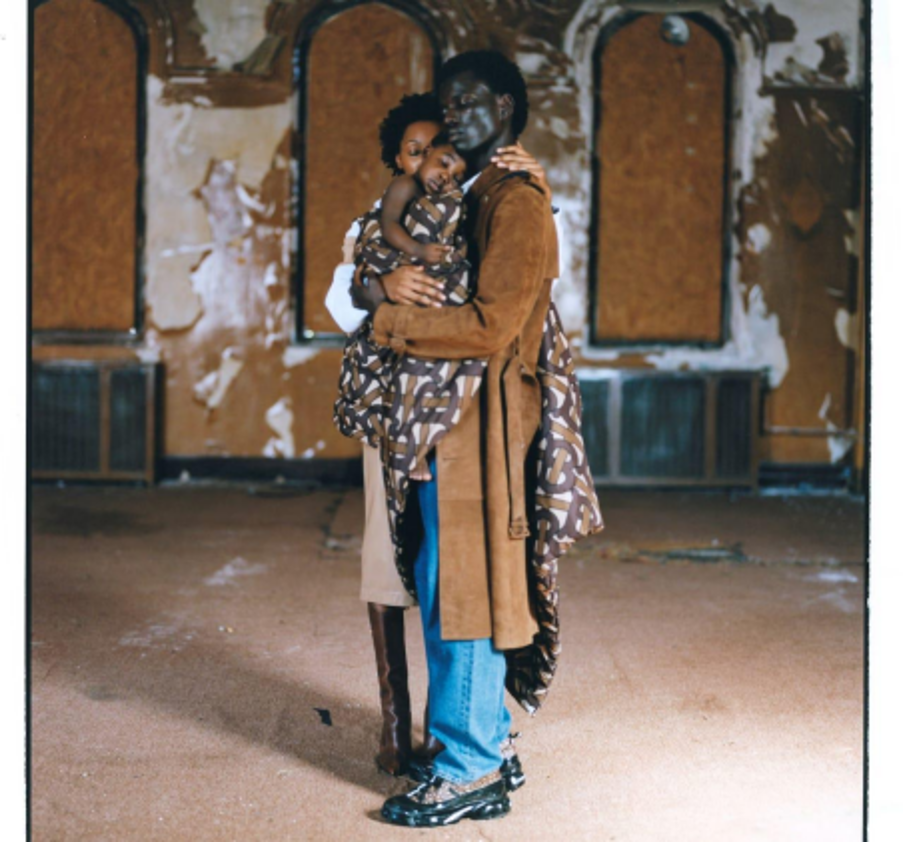
Who defines the look?
A hoodie. A bally. Gold hoops. Grills. Appearance shapes how racial identity is interpreted. Skin tone, hair texture and facial features are frequently used to make assumptions about a person’s background, behaviour and belonging. These assumptions are not neutral; they are informed by histories of racial hierarchy.
These standards can reproduce hierarchies within racialised communities, even when they are framed as expressions of identity or empowerment. Take for example the recent
appointment of Martine Rose to Balenciaga, the first female creative director in the house’s 109 year history. What has since followed in the wake of her historic appointment are discussions about the validity of labelling her a ‘Black designer’ and how her mixed-race identity affords her certain privileges due to her proximity to whiteness.
The result is that appearance becomes a measure not only of attractiveness, but also of perceived authenticity. Those whose features or cultural expressions do not align with prevailing expectations may find their identities questioned, while others are positioned as more recognisably Black.
For example, despite the resurgence of the popularity of the "indie sleaze" aesthetic in recent years, a generation of boundary-pushing Black artists have been overlooked, their contribution to the movement ignored and misremembered. Through the nostalgic revival of these trends, the role of Black pioneers in the scene has been diluted in favour of a whiter narrative than that which aligns with reality.
We need to challenge representations that treat Black identity as a unified category, arguing instead for a more nuanced understanding of how identity is constructed and represented. Stuart Hall proposes a distinction between Blackness as a lived identity and Blackness as an image interpreted by others. Blackness then is not just about what it looks like, but how and why particular appearances acquire racial meaning, and who gets the authority to assign it. It is shaped by cultural conventions, media representation and the cultural tastemakers, gatekeepers and institutions who have the power and perceived authority to determine which identities are considered legible or legitimate.
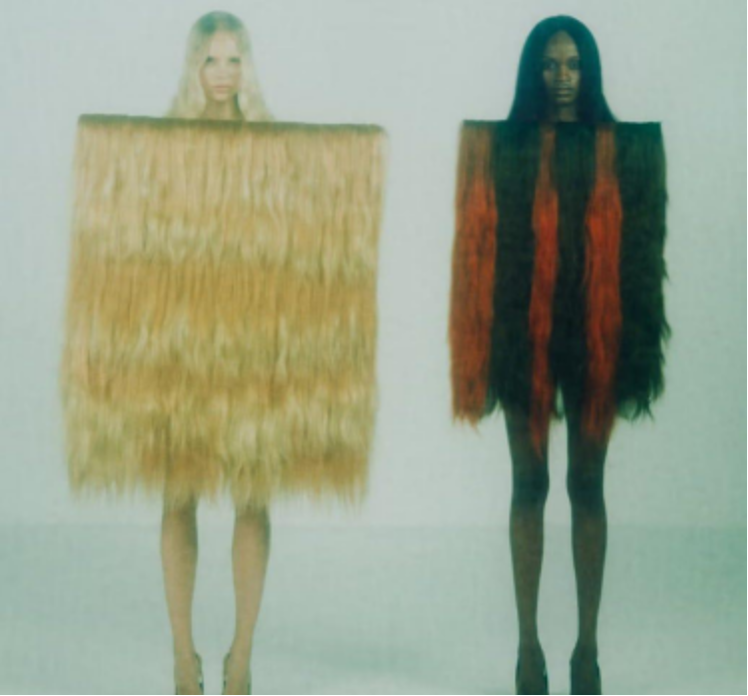
When the look becomes a commodity
Appearance is also a form of currency. Social media platforms reward recognisable visual identities, while marketing turns cultural relevance into commercial opportunity. Within this economy, aesthetics can be detached from their origins, reproduced at scale and monetised.
The controversy surrounding blackfishing on social media illuminates how appearance can be commodified. The term describes instances in which non-Black people adopt physical characteristics or cultural signifiers associated with Blackness in ways that imply a Black identity, or capitalise on the appeal of Black aesthetics.
This brings forth an asymmetry: the appearance of Blackness can be desirable in contexts where Black identity itself remains racialised. Features and styles that may expose Black people to stereotyping or exclusion can acquire new value when adopted by people who are not subject to the same racial judgements.
The same tension appears in fashion, where Black creative expression has helped shape mainstream aesthetics but black people seemingly aren’t the ones who benefit. Streetwear, for example, has developed through the intersection of black music, youth culture, community and style. Its influence can be seen across luxury fashion and commercial retail, yet the histories behind these expressions are not always acknowledged with the same visibility as their products. For example, further discussions following the Martine Rose appointment at Balenciaga, have highlighted how traditionally Black aesthetics
have often been co-opted by European luxury fashion houses, leading some to question whether those who aren’t the pioneers can truly steward the category.
But this does not mean that all cultural exchange is inherently exploitative. Fashion, music and beauty have always developed through the circulation of ideas across communities. The more useful distinction is between exchange that acknowledges cultural context and exchange that extracts value while obscuring its origins.
Who is credited? Who profits? Who is represented as an innovator, and who is treated as a source of inspiration?
Black aesthetics do not become problematic simply because they reach mainstream audiences. Their circulation can create opportunities for recognition, collaboration and innovation. The issue arises when cultural influence is separated from the people who produce it, leaving their contributions under-credited or their creative possibilities narrowly defined.
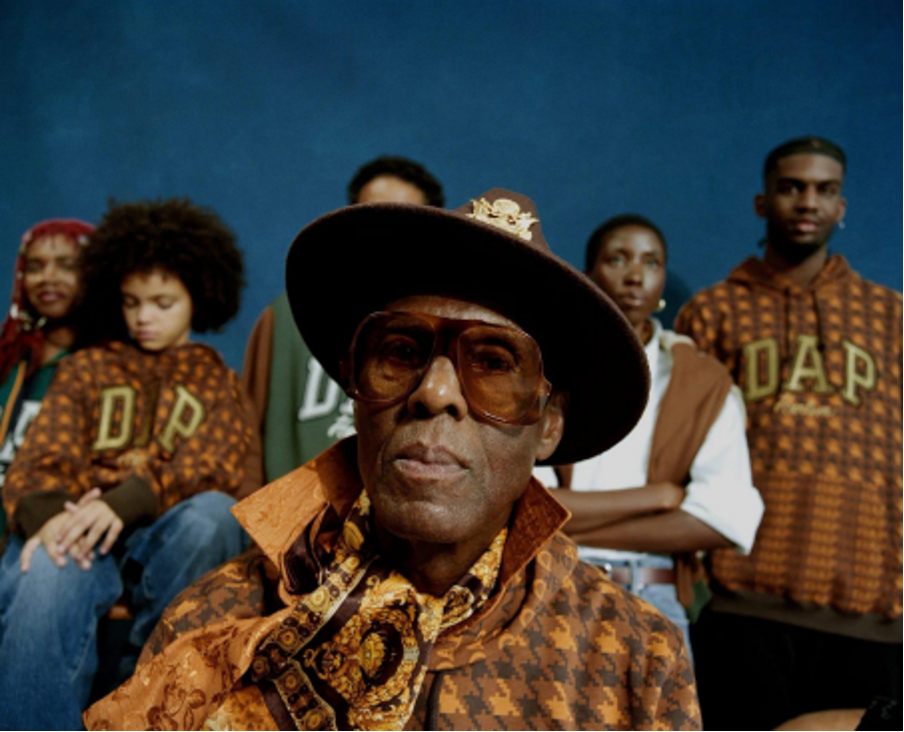
Visibility versus ownership
The distinction between being visible and having control over how one is represented is therefore central to understanding Blackness in contemporary culture.
A campaign can feature Black models, a brand can draw on Black cultural references, and a beauty trend can celebrate features historically marginalised by mainstream standards. Yet these developments do not automatically reveal who holds creative authority, who makes commercial decisions or who benefits from the resulting value.
Images of Black people are shaped by power, and increased representation does not necessarily produce greater agency. bell hooks notes how Black identities can be made visible while remaining subject to external definitions.
Although, the power is shifting. The Missing Thread exhibition at Somerset House, sought to bring overlooked designers and creative communities into a broader account of British fashion history, challenging the assumption that Black contributions belong in a separate or supplementary category. And The Nue Black Aesthetic, recently on show at the Design Museum, brings this discussion into the present day.
Such interventions matter because cultural recognition isn’t merely symbolic. It can influence access to opportunities, institutional support, investment and the historical record through which future generations understand and see the world.
But visibility alone is insufficient. Meaningful cultural agency also requires opportunities for Black creatives to build businesses, retain ownership of their work, influence decision-making and develop ideas beyond the expectations attached to their identities.
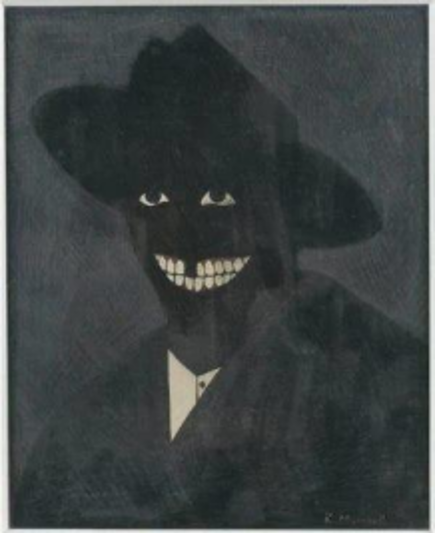
What does Blackness mean now?
In a culture increasingly organised around images, appearance has become a powerful means of communicating identity. Fashion, beauty and social media offer tools through which people construct, negotiate and present versions of themselves. For Black people, however, these practices exist alongside the continuing consequences of being racialised.
Appearance thus can be a site of constraint, shaped by stereotypes and expectations of authenticity, but it can also be a means of self-definition: a way to express heritage, establish community, challenge dominant beauty standards or create new cultural possibilities. These functions are not mutually exclusive. A hairstyle can be both a personal choice and a political statement. Clothing can communicate belonging while resisting expectations imposed from outside. Beauty practices can reflect individual preference while also carrying histories of exclusion and reclamation.
Nor do these meanings remain fixed. Cultural expressions evolve as people reinterpret them, and Black identities cannot be contained within a single aesthetic or set of visual codes.
For brands and creative industries, this requires a more considered approach to cultural relevance. Borrowing the visual language of Blackness is not equivalent to understanding its context.
For audiences, it means questioning the assumptions attached to appearance: why certain features are read as desirable, why particular styles become fashionable, and why the same visual expression can be received differently depending on who adopts it.
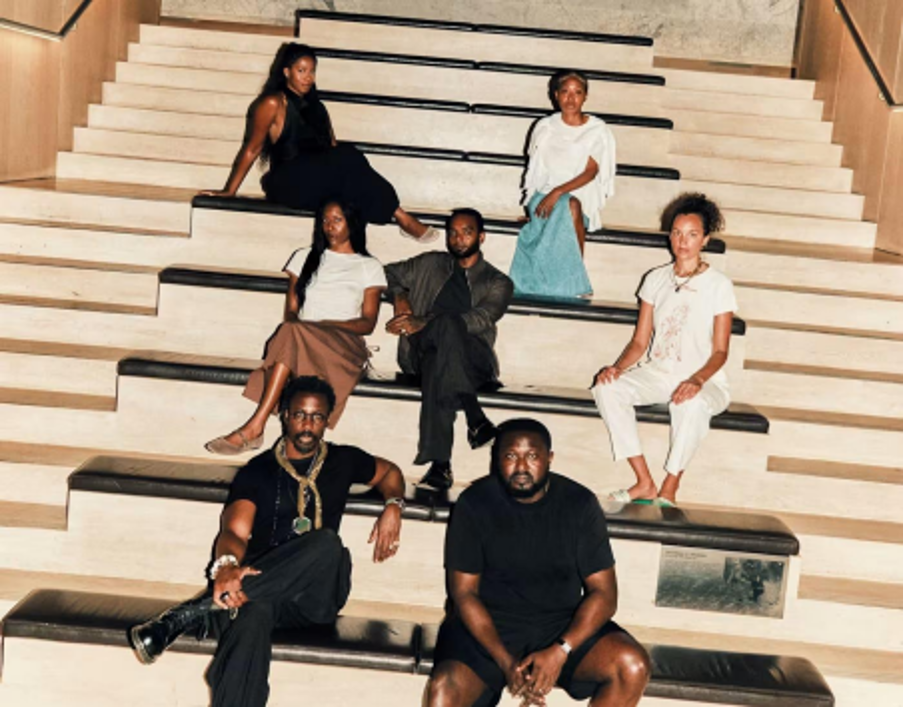
Ultimately, Blackness cannot be reduced to a look. Its visual expressions carry meaning, and that meaning is shaped by histories, relationships and experiences that incorporate but also extend beyond appearance. And with that, perhaps then who gets to decide what Blackness means next is up to all of us.